Healthcare Automation: Enhancing Outcomes and Efficiency
Healthcare Automation: Enhancing Outcomes and Efficiency Welcome to the future of healthcare automation, where AI-powered tools and robotic assistants are transforming patient outcomes and clinical efficiency. This innovative technology is revolutionizing healthcare by streamlining diagnosis, reducing errors, and optimizing clinical workflows—while preserving the essential human touch. What is Healthcare Automation? Enhancing Clinical Workflows Healthcare automation […]

King Kwesi
Healthcare Automation: Enhancing Outcomes and Efficiency
Welcome to the future of healthcare automation, where AI-powered tools and robotic assistants are transforming patient outcomes and clinical efficiency. This innovative technology is revolutionizing healthcare by streamlining diagnosis, reducing errors, and optimizing clinical workflows—while preserving the essential human touch.

What is Healthcare Automation? Enhancing Clinical Workflows
Healthcare automation leverages intelligent software, AI, and robotic systems to accelerate diagnosis, improve patient safety, and minimize administrative burdens. Key advancements include AI-powered imaging and diagnostics, automated electronic health record (EHR) workflows, and cutting-edge operating room robotics. These technologies empower healthcare professionals to reduce errors, focus more on patient care, and ensure timely medical interventions.

AI-Powered Diagnostics and Imaging for Better Patient Outcomes
Far beyond entertainment suggestions, AI now serves as an indispensable sidekick for radiologists and specialists. Advanced AI algorithms analyze X-rays, MRIs, and other medical images to detect diseases swiftly and accurately. Innovations like the Fitbit ECG app monitor heart rhythms for atrial fibrillation (AFib), providing real-time data that physicians review directly. In Italy, the IEO-Monzino institute utilizes natural language processing to rapidly interpret tens of thousands of medical reports, boosting diagnostic speed and accuracy. These AI applications enable earlier disease detection and faster treatment initiation, significantly enhancing patient outcomes.
EHR Automation, Search, and Interoperability Streamlining Data Access
Electronic Health Record automation acts like a tireless assistant, organizing patient data flawlessly and retrieving critical information instantly. Standards such as Fast Healthcare Interoperability Resources (FHIR) facilitate seamless communication between healthcare systems, while solutions like Cloud Healthcare API ensure secure, HIPAA-compliant data exchange. Incorporating tools like Vertex AI Search for Healthcare allows clinicians to query patient data in plain language, reducing time spent navigating complex interfaces. Efficient data flow leads to fewer errors, happier providers, and more focused patient care.
Operating Room Automation and Medical Robotics Advancing Surgical Precision
Surgical robotics are elevating operating room efficiency and safety. Systems such as SAVI enhance instrument identification accuracy and speed up setup processes, minimizing cancellations and human error. Robot-assisted surgeries contribute to smaller incisions, quicker healing, and faster patient recovery times. Rather than replacing surgeons, these technologies amplify surgical precision and patient satisfaction.
Evidence of Efficiency and ROI from Healthcare Automation
Recent studies reveal that 73% of healthcare leaders report positive ROI from generative AI projects within the first year. Automated documentation, intelligent data retrieval, and robotic assistance consolidate to reduce workload and improve care delivery. This transformation saves costs for hospitals, decreases medical errors, and allows healthcare professionals to dedicate more time to patient interactions.
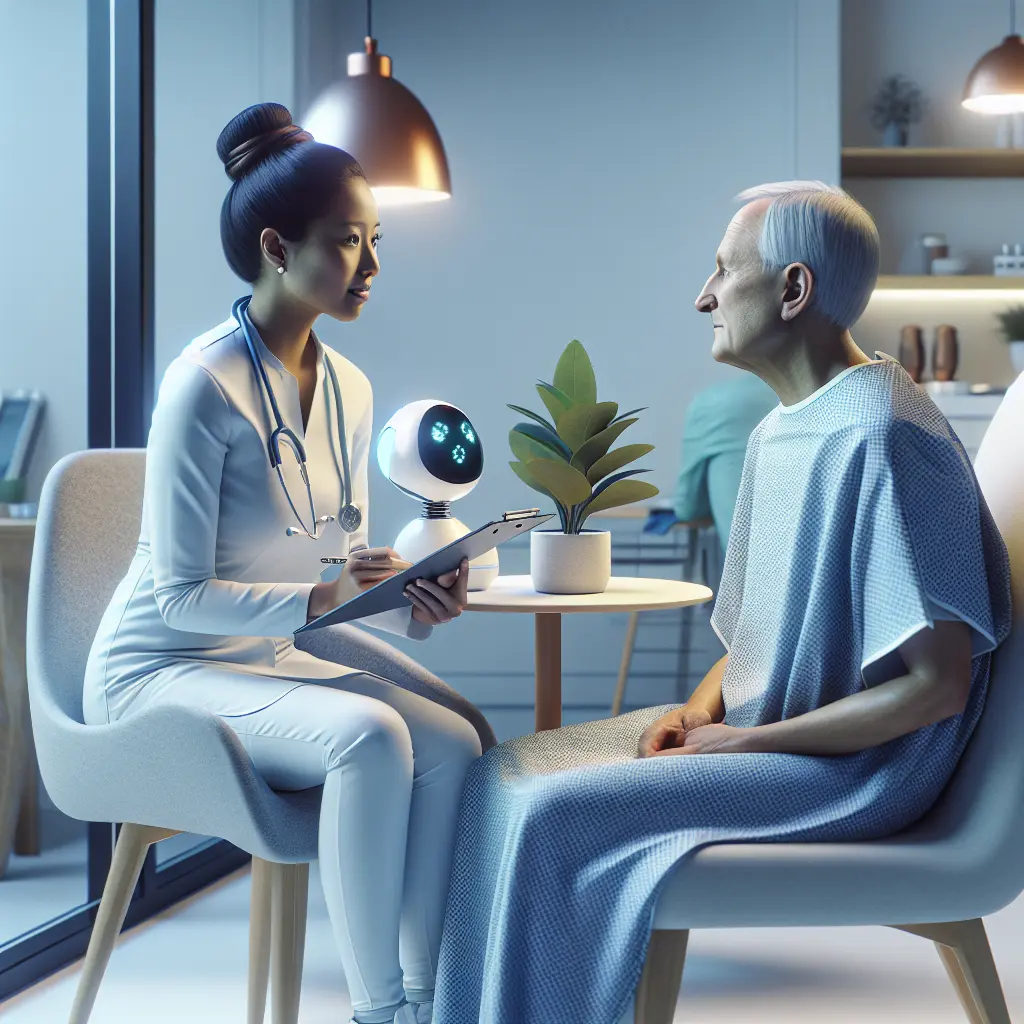
Ethics, Compliance, and Preserving the Human Touch in Healthcare Automation
With the growing integration of AI, upholding ethical standards is crucial. Human oversight remains essential to ensure accountability and sound clinical decisions. Compliance with HIPAA protects patient privacy rigorously, while ongoing bias assessments in AI models promote equitable care. Importantly, empathy and personalized interaction continue to be core components of healthcare, complementing technological support rather than replacing it.
In conclusion, healthcare automation is reshaping the industry by improving patient outcomes and enhancing clinical efficiency. Through AI-powered diagnostics, streamlined EHR workflows, and advanced surgical robotics, the future of healthcare looks smarter, faster, and ultimately more human-centered. Embracing this revolution with careful attention to ethics and human collaboration will ensure better care for all.